


Winter Survival Guide: How Milwaukee Businesses Keep Floors Clean from Salt and Slush
- Aug 25, 2025
- 4 min read

Winter transforms Milwaukee into a beautiful snowy landscape, but it also brings challenges when it comes to maintaining clean floors. The mixture of salt, slush, and moisture can create messy conditions indoors, leading to safety hazards and unhappy customers. For businesses, this means that keeping floors clean isn't just about looks; it’s crucial for safety and for making a good impression. In this guide, we will look at effective strategies that Milwaukee janitorial companies can use to combat winter grime and ensure spaces remain clean and inviting during the colder months.
Understanding the Problem
Milwaukee winters can be tough, with average temperatures dropping to around 20°F and snowfall reaching over 40 inches annually. The use of salt to melt ice is necessary for safety, but it leads to a lot of grime being tracked indoors. Studies have shown that up to 80% of the dirt in a building's interior comes from what is brought in on shoes. This residue not only creates slippery floors but can also damage flooring and give a negative impression to customers. Recognizing these challenges is the first step in crafting a strong cleaning strategy.
Effective Floor Mats
High-quality floor mats are one of the best tools for keeping floors clean. They act as the first barrier, trapping moisture, dirt, and salt before they can spread throughout the building.
Types of Mats
Entrance Mats: These should be robust and designed to absorb water while scraping off the dirt and salt from shoes. For instance, using entrance mats with a rubber backing helps them stay in place and enhances their absorption capacity.
Interior Mats: Once inside, softer mats can further trap any residual moisture. These mats are often placed in high-traffic areas and can absorb up to 80% of moisture tracked in.
By investing in quality mats, businesses can reduce the amount of salt and slush that makes its way onto their floors by up to 68%, creating a cleaner and safer environment.
Regular Cleaning Routines
Even the best mats can’t do all the work alone. Regular cleaning routines are essential for maintaining cleanliness throughout winter.
Daily Janitorial Maintenance
During winter, it is crucial for businesses to have a daily cleaning schedule that includes:
Sweeping and Vacuuming: Floors should be swept or vacuumed at least once a day to prevent buildup. This step is vital for reducing accidents and enhancing the overall cleanliness of the space. Floor mats also need to be cleaned daily with mopping underneath mats and allowing floor time to dry before resetting the mats.
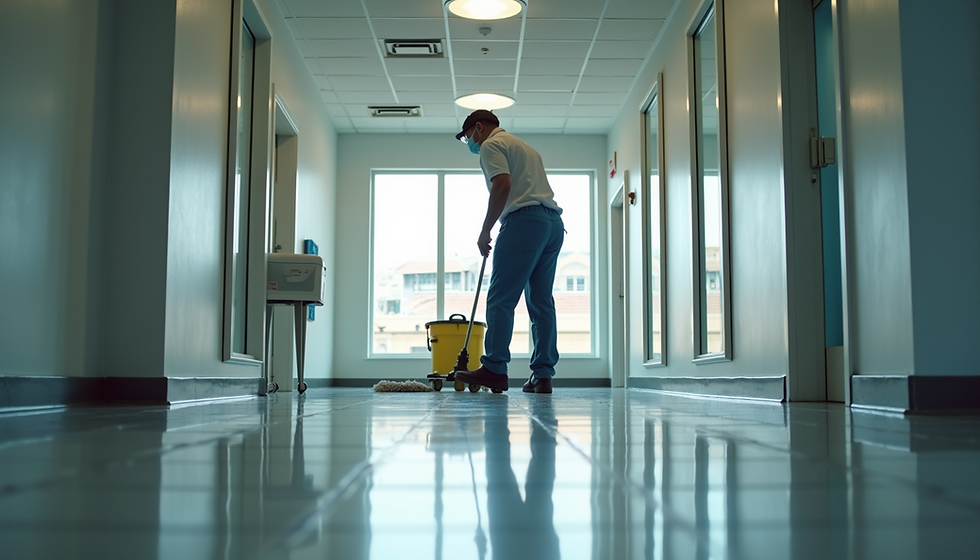
Mopping: A damp mop with a suitable cleaning solution should be used regularly. For example, using a solution specifically designed for salt removal can help keep floors clean and safe. There are specific soaps that our cleaning team switches to in winter which helps to dissolve the salt on floors.
Deep Cleaning
In addition to daily tasks, it is important to schedule deep cleaning sessions. This could involve:
Steam Cleaning: Effectively cleans carpets and eliminates salt stains and odors, promoting a fresher environment.
Floor Stripping and Waxing: For hard surfaces, this process not only removes grime but also protects the floor and makes future cleanings easier. The wax on the floors greatly helps to make mopping more efficient.
Establishing a consistent cleaning routine can help businesses maintain safe and presentable floors throughout the winter months.
Choosing the Right Cleaning Products
The effectiveness of a cleaning routine greatly depends on the cleaning products used.
Eco-Friendly Options
Many businesses are now opting for eco-friendly cleaning products that are tough on dirt yet gentle on floors. For example, products that use natural ingredients can efficiently dissolve salt stains without damaging surfaces or harming the environment.
Specialized Cleaners
Different flooring types may require specific care. For instance, hardwood floors need a pH-neutral cleaner, while tile can handle stronger products. Knowing the needs of each flooring type can help businesses select the best cleaning tools for their needs.
Employee Training
A crucial but often overlooked aspect of keeping floors clean is proper employee training.
Importance of Training
Employees should be well-informed about the importance of maintaining clean floors and the processes to follow. Training should cover:
Proper Use of Mats: Staff need to understand the role of mats and how to keep them clean and functional.
Cleaning Procedures: Providing detailed instructions on how to effectively clean floors using the right products and methods can lead to remarkable results.
Reporting Issues: Encouraging employees to report spills or hazards immediately allows for quick responses, preventing accidents and ensuring a safe environment.
Investing in employee training cultivates a culture of cleanliness and responsibility, benefiting everyone in the business.
Ensuring Clean Floors in Winter
Keeping floors clean from salt and slush during Milwaukee's harsh winter months is indeed a significant task. With the right strategies, businesses can safeguard a safe and inviting atmosphere for customers and employees alike.
There are several steps businesses should focus on. First, investing in quality floor mats can reduce outdoor residue significantly. Regular office, commercial and industrial cleaning routines, including daily maintenance and occasional deep cleaning, help to keep the space inviting. Choosing the right cleaning products is also essential for effective floor care and ensuring employee training creates a sense of ownership over cleanliness.
As winter continues to challenge Wisconsin, businesses that prioritize these cleaning efforts will not only enhance their image but also protect the safety and satisfaction of everyone who walks through their doors.



Comments