


Sanitizing vs Disinfecting: What's the Difference in Commercial Cleaning?
In today's world, hygiene has taken center stage. The COVID-19 pandemic has made cleanliness a top priority, particularly in commercial spaces. This has led to increased curiosity about the terms sanitizing and disinfecting for janitorial service. Many people mistakenly use these terms interchangeably, but they have distinct meanings that can significantly impact health and safety in various commercial and office environments.
Understanding the differences between these two cleaning processes is essential for making informed decisions about maintaining safer spaces, be it in an office, manufacturing facility, or retail store. Let's break this down clearly.
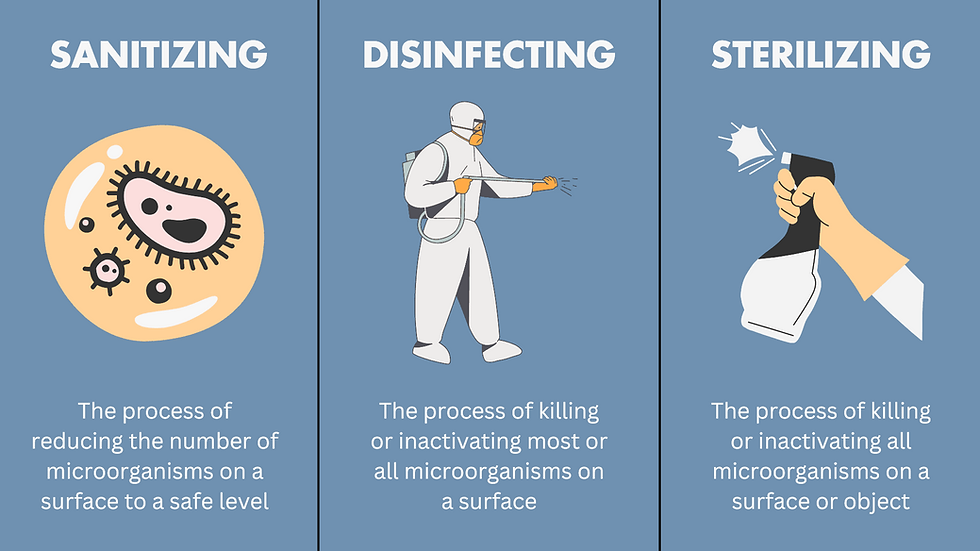
Understanding Sanitizing
Sanitizing is the process of reducing the number of germs on surfaces to levels deemed safe by public health authorities. This method is vital for food contact surfaces, utensils, and areas where food is prepared or served, such as kitchens and dining areas.
While sanitizing does not eliminate all germs, it lowers their count enough to significantly diminish the risk of spreading illnesses. For example, using a sanitizer can reduce bacterial counts by 99.9% on surfaces like cutting boards and countertops.
The Process of Sanitizing
The sanitizing process generally includes:
Cleaning: The first step involves cleaning surfaces to remove dirt and debris. This can be done using soap or detergent, which is essential for effective sanitizing.
Applying a Sanitizer: After cleaning, a sanitizer (available as liquids, sprays, or wipes) is applied. It should be left on the surface for the recommended contact time to ensure effectiveness.
Safe Rinse (if necessary): In situations involving food contact surfaces, rinsing may be necessary to remove excess sanitizer, especially if it could affect the food.
Understanding Disinfecting
Disinfecting focuses on killing a broader range of germs on surfaces. Disinfectants are usually more potent than sanitizers, capable of eliminating most bacteria, viruses, and fungi. This method is crucial in locations that require stringent germ control, such as hospitals, restrooms, and childcare centers.
For instance, a hospital-grade disinfectant can kill 99.999% of specific pathogens like influenza and norovirus within minutes, vastly improving infection control in high-risk areas.
The Process of Disinfecting
Disinfecting involves a few key steps:
Cleaning First: Similar to sanitizing, surfaces must be cleaned first. Any organic matter can hinder the disinfectant's ability to work effectively.
Applying a Disinfectant: Once cleaned, a disinfectant is applied to the surface. This product must meet the EPA’s criteria for effectiveness against specific pathogens.
Contact Time: Disinfectants require certain contact times to remain wet on surfaces to kill germs effectively. This time may vary depending on the product used and can range from 30 seconds to 10 minutes.
Rinsing (if needed): Rinsing may be necessary after disinfecting, particularly in food preparation areas.
Key Differences Between Sanitizing and Disinfecting
Understanding the differences between sanitizing and disinfecting is crucial:
Goal: Sanitizing lowers the number of germs to safe levels, while disinfecting aims to eliminate a high percentage of pathogens—often over 99%.
Products Used: Sanitizers are less potent than disinfectants and may not be effective against all viruses.
Application Areas: Sanitizing is commonly used in food-related environments. In contrast, disinfecting is essential in spaces demanding strict infection control.
Regulatory Standards: Sanitizers and disinfectants are regulated by health authorities. Being aware of these regulations ensures compliance and safety.
Importance of Both in Commercial Cleaning
To promote effective hygiene in commercial settings, both sanitizing and disinfecting are necessary.
Regular Maintenance: Establishing a cleaning schedule that incorporates both processes is vital for maintaining cleanliness and lowering illness risks.
Informed Choices: Knowing when to sanitize versus when to disinfect can improve management practices, ensuring higher health standards.
Employee Janitorial Training: Training cleaning staff on the differences and proper use of sanitizing and disinfecting products is crucial for effectiveness and compliance.
Best Practices for Effective Sanitization and Disinfection
To enhance the effectiveness of cleaning processes in commercial environments, consider employing these best practices:
Choose the Right Products: Opt for products that are specifically approved for the surfaces being cleaned and comply with local regulations.
Follow Manufacturer Guidelines: Always follow the manufacturer's instructions regarding dilution ratios and contact times to maximize effectiveness.
Regular Updates: Stay informed on the latest CDC and WHO guidelines, as they may change based on new public health data.
Document Processes: Maintain records of cleaning schedules, products used, and employee training to uphold hygiene standards and facilitate audits.
Encourage Feedback: Foster a workplace culture where staff feel comfortable reporting cleanliness concerns or suggestions—proactive communication leads to improved practices.

Understanding Your Cleaning Needs
Recognizing the distinctions between sanitizing and disinfecting is essential for achieving safe environments, especially in commercial cleaning. With the right knowledge and practices, businesses can effectively protect customers and employees while minimizing the spread of pathogens.
By understanding the specific roles of these two processes and following best practices, organizations can maintain high cleanliness standards and respond effectively to public health demands. As awareness of hygiene continues to grow, implementing clear protocols for sanitizing and disinfecting will be crucial in creating safe spaces for everyone.



Comments