


Understanding Common Cleaning Terminology for Better Communication
Effective communication in cleaning—whether in Milwaukee offices, or industrial environments—is essential. With a unique set of terms and jargon, the cleaning industry can sometimes make it challenging to convey information clearly. Familiarizing yourself with common cleaning terminology enhances our ability to communicate about tasks, techniques, and products effectively. This guide clarifies essential cleaning terms, allowing everyone to be on the same page.
The Importance of Proper Cleaning Terminology
Grasping cleaning terminology is vital for several reasons:
Prevent Confusion: By using specific terms, you help avoid misunderstandings with colleagues and clients.
Enhance Efficiency: Knowing the right language ensures cleaning jobs are executed smoothly.
Improve Safety: When every team member understands the terminology, it promotes a safer working environment.
Using the correct terms also reflects professionalism. When clients hear industry-standard language, they feel more confident in the service being provided.
Common Cleaning Terms
1. Sanitization vs. Disinfection
Understanding the distinction between sanitization and disinfection is crucial.
Sanitization means reducing the number of germs on surfaces to a safe level according to public health standards. This is commonly done in food service areas and restrooms. For example, hand sanitizers used in restaurants often meet sanitization standards.
Disinfection involves using chemicals to destroy germs on surfaces. This is particularly important in high-risk settings like hospitals. A 2020 study found that effective disinfection of surfaces reduced healthcare-associated infections by over 50%.
Knowing when to use these processes can significantly impact hygiene outcomes in various environments.
2. Cleaning vs. Deep Cleaning
While both terms relate to removing dirt, they have distinct meanings:
Cleaning covers routine duties like dusting, sweeping, and mopping. For instance, a weekly cleaning schedule might involve those tasks to maintain general tidiness.
Deep Cleaning, however, focuses on more intensive tasks that reach areas frequently overlooked. This includes scrubbing grout, cleaning behind appliances, and vacuuming upholstery. It’s recommended to schedule deep cleanings at least twice a year for spaces with high foot traffic.
Recognizing when to do a deep clean versus just a regular cleaning helps maintain a healthier environment.
3. Green Cleaning
With a growing emphasis on sustainability, the term Green Cleaning is gaining popularity.
Green cleaning refers to using environmentally-friendly products and practices that minimize harm to both people and the planet. This can include opting for cleaning supplies that are biodegradable or using methods that reduce water waste. For example, using microfiber cloths can reduce the need for harmful chemicals by capturing dust and allergens effectively.
Adopting green cleaning techniques can lead to healthier spaces while showing clients that you prioritize sustainability.
4. Biohazard Cleaning
Biohazard Cleaning refers to the removal and proper disposal of hazardous materials, including blood or other infectious substances.
This type of cleaning requires specialized training and equipment to guarantee safety for both the cleaner and the general public. In healthcare settings, for instance, cleaning protocols for rooms used by patients with infectious diseases are critical to controlling outbreaks. A well-maintained biohazard protocol can reduce infection risks significantly.
5. Cleaning Protocols
Cleaning protocols are systematic processes that outline the proper steps for various cleaning tasks.
Establishing clear protocols ensures consistency and increases efficiency and safety. For example, a hospital cleaning protocol might outline the specific order in which surfaces should be cleaned to minimize cross-contamination. Implementing these established guidelines can raise the standard of cleanliness within any setting.
6. Spot Cleaning
Spot Cleaning is a targeted approach to remove small patches of dirt or stains instead of performing a full clean.
This method is particularly useful for carpets, upholstery, or walls where spills may occur. For example, quickly treating a wine stain on a carpet can prevent permanent damage, allowing the fabric to maintain its appearance and extend its life.
Knowing when and how to spot clean effectively can keep surfaces looking fresh with minimal effort.
7. Material Safety Data Sheets (MSDS)
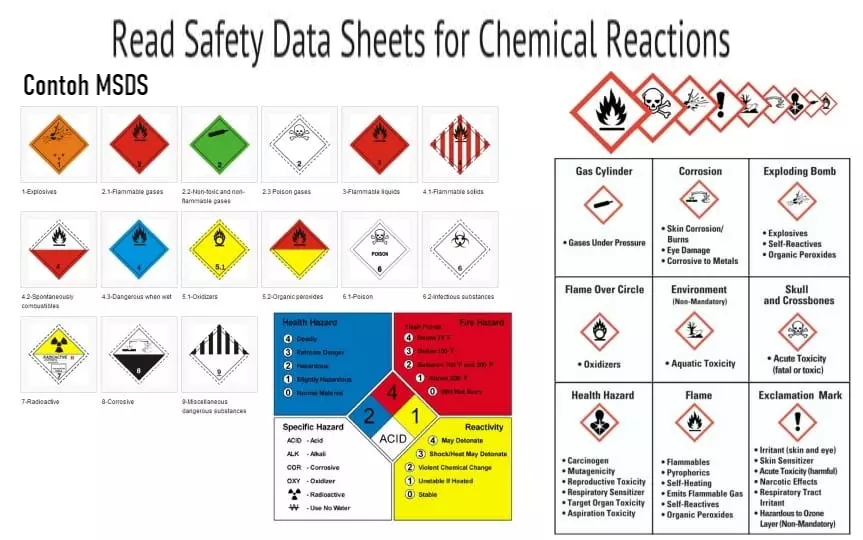
Material Safety Data Sheets (MSDS) offer crucial information about cleaning chemicals used in the workplace.
These documents detail how to safely handle, use, and store cleaning products. Understanding the information within MSDS allows cleaning staff to avoid potential hazards associated with chemical exposure. For example, knowing that a product requires gloves or goggles can prevent workplace accidents.
Effective Communication with Cleaning Terminology
Mastering the right cleaning terminology goes beyond definitions; it improves communication with both coworkers and clients. Here are some suggestions for effective use of cleaning terminology:
Clarity is Key
When discussing cleaning tasks, use straightforward terminology that is easy to understand. Avoid technical jargon that can confuse others.
Be Open to Questions
Encourage team members or clients to ask for clarifications if they do not fully grasp specific terms. Encouraging questions fosters clearer understanding.
Include Training
Implement training sessions that focus on cleaning terminology. This is particularly beneficial for new employees and helps standardize the language used within the organization.
Use Visual Aids
Incorporating visual aids can enhance understanding of specific terms. For instance, providing images of different cleaning supplies and their uses can help others grasp their functions more quickly.
A Closing Note on Cleaning Terminology
Understanding common cleaning terminology is vital for effective communication in the cleaning industry in Wisconsin. By familiarizing yourself and your team with these terms, you improve clarity, enhance safety, and provide quality service. Whether discussing routine tasks or specialized techniques, using proper terminology fosters an environment where everyone can contribute to maintaining clean and safe spaces.
Equipping yourself with this knowledge reflects a commitment to professionalism and excellence in the cleaning industry. Let’s prioritize learning and effectively communicate the language of cleaning in Milwaukee!



Comments